
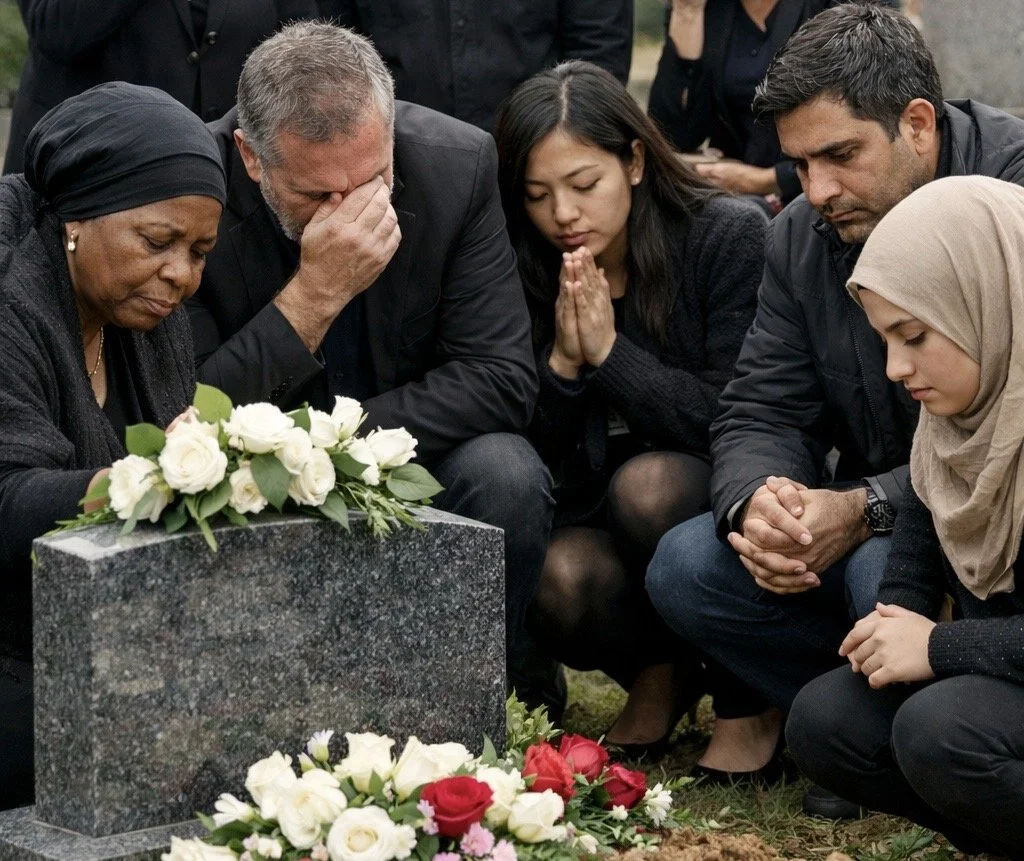
Grieving in our own way is beneficial for our mental, physical, emotional, and spiritual health
Grieving is a deeply personal experience, and it's important to recognize that there is no right or wrong way to navigate this process. Here are several ways to grieve in your own way:
1. Acknowledge Your Feelings
Allow yourself to feel whatever arises—sadness, anger, confusion, or even relief. Suppressing these emotions can hinder the healing process. Journaling can be a powerful tool for expressing and processing your thoughts. It’s important to recognize that there are several stages of grief, and along with that comes a variety of emotions. Allow yourself to feel those emotions. Over time some will begin to subside. I wish I could tell you that you’ll eventually overcome the feeling of grief for your loved one, but it won’t happen. What does happen is you begin to learn to live with it. It will get easier with time, trust me.
2. Create Rituals
Rituals are those symbolic gestures we perform to help us make real that which is too hard for us to express or come to grips with. Rituals express those mysteries of life that we can’t comprehend. Engage in rituals that resonate with you, whether it’s lighting a candle, creating a memory box, or planting a tree. These acts can provide a meaningful way to honor your loved one and create space for your grief.
3. Seek Support
Reach out to trusted friends or family members who can provide a listening ear. Support groups, both in-person and online, can offer a community of understanding where you can share your feelings without judgment. Either way, being able to express what we’re feeling can help the grief process along at a better pace than us trying to do it all on our own. Many times we can take comfort in hearing others stories, or simply talking about life with someone else. Counseling, getting together with those around you, or even journaling can help us through the hard times.
4. Take Care of Your Body
Grieving can take a toll on your physical health. Pay attention to your needs by eating well, staying hydrated, and getting enough sleep. Incorporating gentle exercise, such as walking or yoga, can also help alleviate stress. It’s important to get back in to some sort of a regular routine sooner rather than later. Living life the way you did before your loss can be beneficial to not only your physical well being, but your mental as well. Eating and resting can help us with our emotions, and ultimately get us through our grieving.
5. Allow for Distraction
While it's crucial to confront your grief, it's equally important to permit yourself moments of distraction. Engage in activities that bring you joy or allow your mind to rest, such as reading, watching a film, or spending time in nature. Once again, living life can help you not continually dwell on your grief. I know, it’s easier said than done, but it must happen. Take time to have conversations, go grocery shopping, work in the garden.. whatever it is, allow those moments to happen.
6. Honor Your Loved One
Find ways to celebrate the life of the person you lost. This could include sharing stories with others, participating in a charity event in their name, or dedicating a day to do things they loved. Search your memory for an image or object that was special to your loved one, or that helps bring your loved one to mind - a favorite place, a song, a recipe, a favorite flower, a book. Then, keep that somewhere where you can find it easily, and let it bring you comfort and joy when you need it.
7. Be Patient with Yourself
Understand that grief is not linear. Some days will feel more manageable than others. Allow yourself the space and time to grieve without putting pressure on yourself to 'move on' or 'get over it.' Time is the great healer. With time, it will begin to be easier for you to move back in to your routine. Yes, some will overcome quicker than others. Don’t compare yourself to someone else. We all grieve in our own time.
8. Seek Professional Help
If feelings of grief become overwhelming, consider speaking with a therapist who specializes in grief and loss. Professional support can provide tools and strategies to help you process your feelings in a constructive manner. Many times, speaking with a counselor can help us see our circumstance in a new light. It can help us begin to view life, and death, in easier terms. Find a counselor who lines up with your beliefs - Christian, Jewish, Muslim, or even non-religious. Either way, they can help support you in many areas.
9. Express Your Creativity
Channel your emotions into creative outlets, such as painting, writing poetry, or playing music. Creativity can serve as a cathartic release, allowing you to explore your grief in a different way. Do these things alone or together with friends and family. Many of the greatest writings, concertos, and art were created during moments of powerful emotions. Use this time to let your mind focus on something different. You may be surprised how healing this time can be.
10. Find Meaning
As time progresses, consider exploring the deeper meanings of your loss. Engage in self-reflection to understand how this experience has impacted your life, values, and relationships. You this as a catalyst to grow your faith, or your education, so you can then be a help to someone else in time of their greatest need. Going through grief can be a great instructor for us to be able to help others experiencing what we are going through, or have been through.
Remember, your grief is your own, and it's essential to honor it in whichever way feels authentic to you. There is no timeline for healing, and it is perfectly acceptable to grieve at your own pace. I know it may not feel like you will ever overcome these feelings and emotions, but you will. You will get through this.